Jan

28

we’re hiring a Rails developer, come join our team:

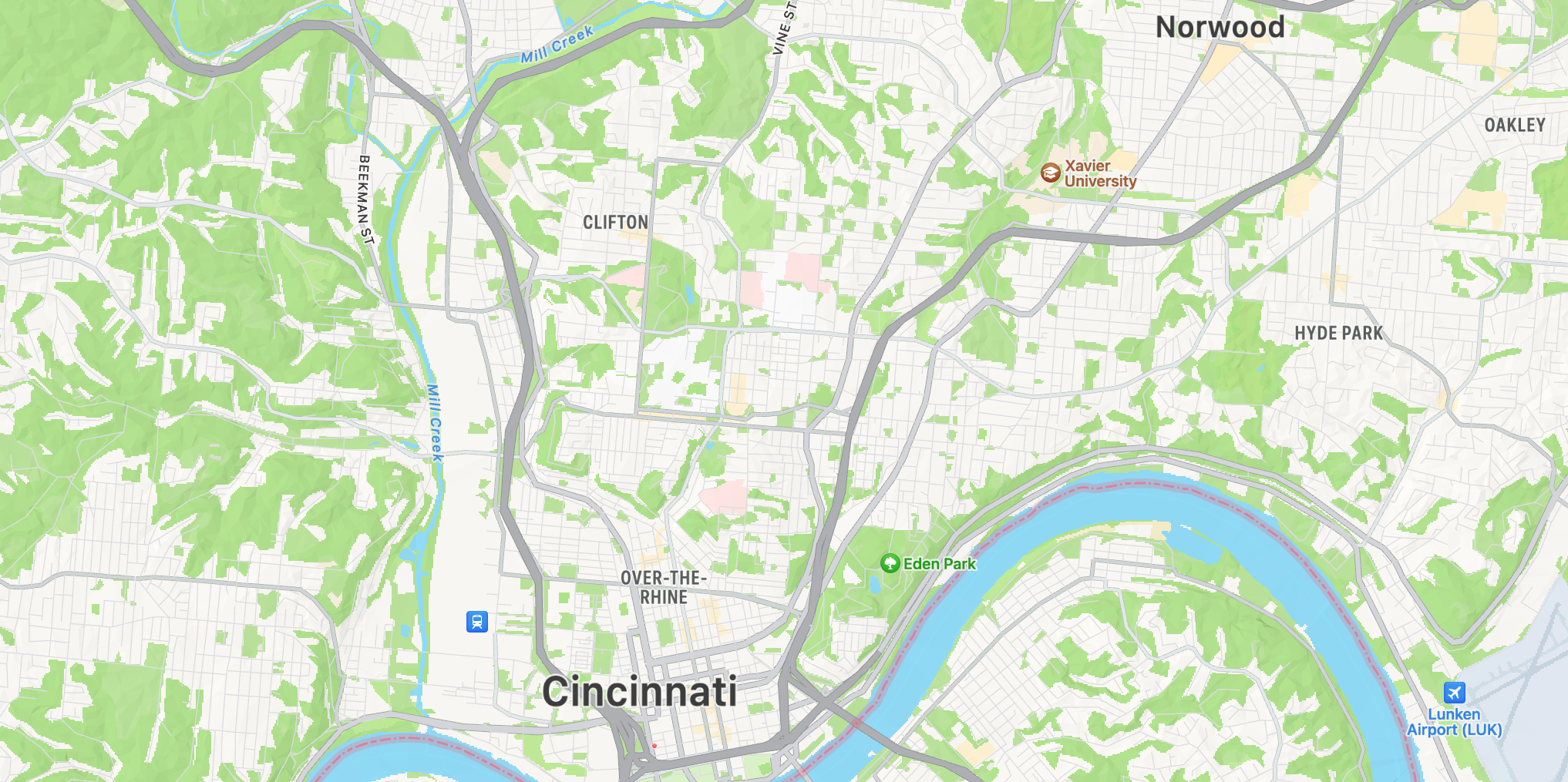
Location: Cincinnati, OH
URL: http://www.thinkbarefoot.com

Description

Barefoot has an immediate opening for a Senior Web Application Developer. We’d like you to have 5 years experience developing database-driven, dynamic web sites. We’re strong in a number of technologies, the primary ones being Ruby on Rails, PHP and .NET. You need to be very strong in Rails, and if you’ve got substantial experience in a second language, bonus points. You’ll need to be able to point us to multiple Rails sites in production. Strong SQL application development experience is also a must. You’ve also got to be at least comfortable with client-side Web development (JavaScript, CSS, XHTML), although that won’t be the main part of your job. You’ll receive excellent benefits and a salary commensurate with your experience.

To apply
Send your resume, and URLs to recruiting@thinkbarefoot.com

Posted Here: http://jobs.37signals.com/jobs/2744

Jan

22

for anyone else out there that is using the casaframework and in the end their SWF is being loaded into a SWF at a remote directory, you are going to run into security sandbox issues. reason being the use of _root in a number of classes used mostly to create empty movieclips. in order to alleviate the issue, you could simply use a _lockroot, or go through and replace the _root paths with _level0 etc… I ran into them existing in classes like “enterframe” and i believe “framedelay.”

not sure if i am sold on frameworks in flash or not. i think as a developer wanting to implement a framework you really have to understand classes and the ideas of object orientation, otherwise you could just be adding a bunch of bloat to your SWF, and making it hard for others to debug/troubleshoot if they have to pick up the file and run with it. not to mention you run the risk of deploying code that you are not 100% familiar with, which could result in the situation described above where something simply stops working when loaded into a remote SWF.

Jan

3

Last night I was working on a project where I am extending Wordpress to include a couple of CMS responsibilities. Among them is a way to update the homepage content of the site, using FLVs. The admin will have the ability to update the homepage with either an image or an FLV, along with some accompanying text. Rather than write the files to the file system, I decided to try storing the binary data as a blob in mySQL.

First thing I did was add a “homepage” tab to the top of Wordpress, then add the necessary form fields. Inserting the binary data was no problem. Onto retrieval on the actual homepage.

Next was some logic to determine if an image or an FLV was uploaded. Images produce an IMG tag. FLVs produce a shell video player(SWF), which then calls a PHP script as the path of the FLV. The PHP script retrieves the FLV from the database and delivers it just as if the shell was retrieving a FLV from the file system. This can be somewhat tricky I found. A couple of small details are required for the SWF to recognize the FLV using standard Flash Components. Mostly, a couple of headers have to be set, including mime type and file size.

Make sure to write the uploaded file’s file size to the database for easy retrieval. Then I used the following headers before simply spitting out the file.

// set $size and $file with the details from your database

// Output the MIME header

header (”Content-transfer-encoding: binary”);

header (”Content-Type: video/flv”);

header (”Content-Disposition: attachment; filename=”watch.flv”");

header (”Content-Length: ” . $size);

header (”Pragma: public”);

header (”Expires: 0″);

header (”Cache-Control: must-revalidate, post-check=0, pre-check=0″);

header (”Cache-Control: private”);

// Output the flv

print $file;

Fairly quick and easy to implement and removes the obstacle of file writing permissions on some hosts. Performance has been fine so far. Wordpress can actually make a great CMS.

Linkroll

Recent Projects